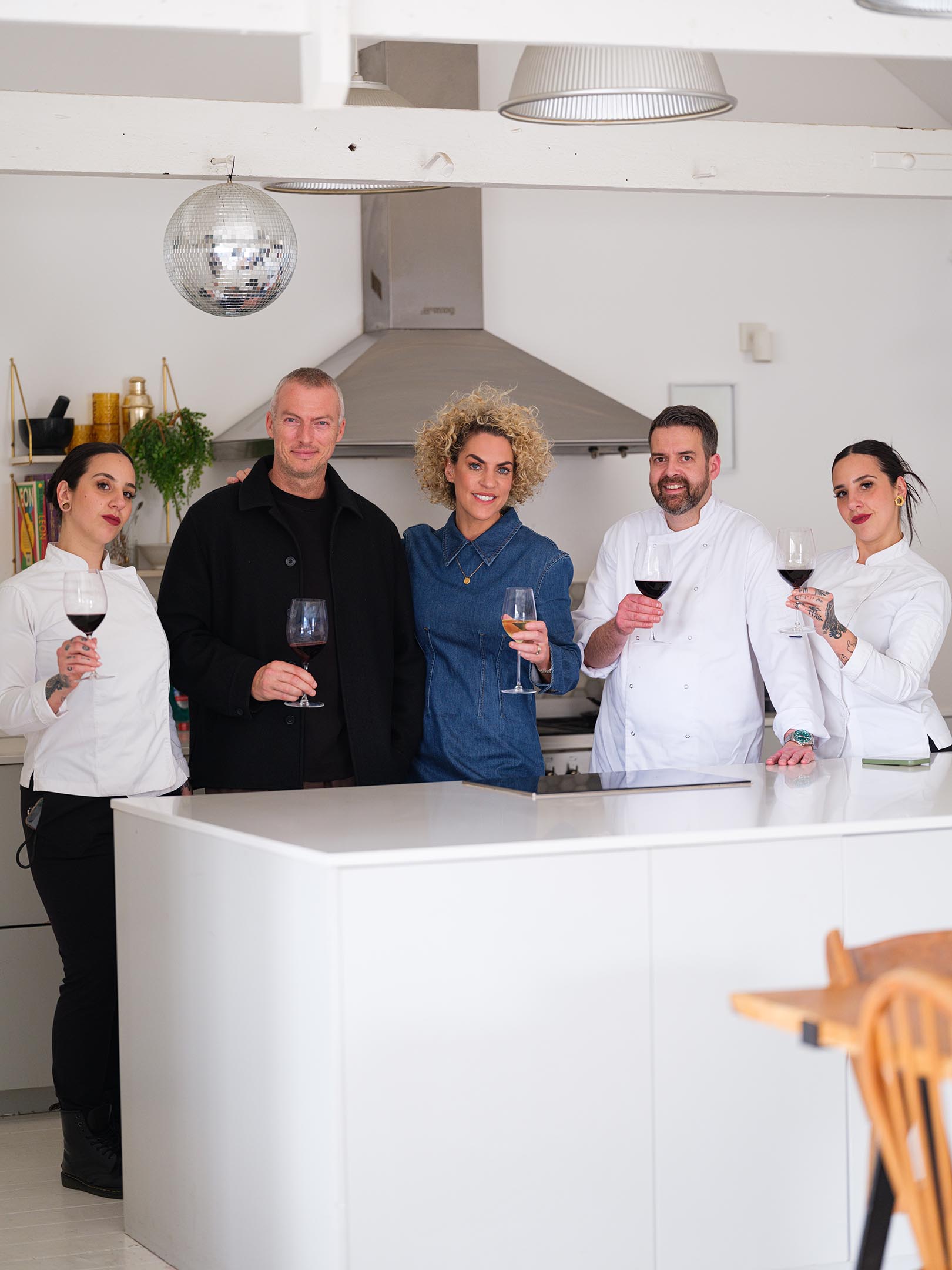
The Glorious Twelfth: Game Season Dining at Home
The Glorious Twelfth marks the arrival of the British game season and offers a timely reason to bring seasonal cooking to the table. From roast grouse in August to venison dishes for cooler evenings, game brings depth, character and a strong sense of place to an autumn dinner at home.
For the home host, cooking game is less about creating an elaborate menu and more about careful choices. A well-sourced bird or cut, a few seasonal accompaniments and attention to timing can create a dinner that feels generous and considered. The same principles guide a private chef creating a seasonal game menu for a dinner at home.
What game is in season and when?
Game arrives gradually through autumn, allowing the menu to shift with the season. Grouse arrives first in August, followed by partridge and pheasant, while venison becomes an increasingly appealing choice as evenings become cooler.
The dates below refer to traditional open seasons in England and Wales. Grouse is in season from 12 August to 10 December, partridge from 1 September to 1 February and pheasant from 1 October to 1 February. Availability from butchers may vary according to sourcing, preparation and demand.
Knowing what is available helps when planning a seasonal dinner. A trusted butcher can advise on the best game of the moment, how it has been prepared and the most suitable cooking method for your table.
What is the Glorious Twelfth?
The Glorious Twelfth is the traditional name for 12 August. It marks the first day of the grouse season and is widely regarded as the opening of the British game season.
It is a natural point to begin cooking with game at home, particularly for an early autumn dinner built around roast grouse and seasonal produce.
A simple autumn game calendar
August to December: Grouse
Grouse has a distinctive flavour and suits quick roasting with butter, herbs and a sauce made from the roasting juices. Keep the preparation simple so the character of the bird remains central.
September to February: Partridge
Partridge is a gentler introduction to game. Its smaller size makes it a good choice for an intimate dinner and it can be roasted whole or braised slowly. Roast it for a more traditional supper or braise it when a softer texture is preferred.
October to February: Pheasant
Pheasant has a fuller flavour and works well in a roast, pie or slow cooked dish with vegetables and stock. Younger birds suit roasting, while the legs and fuller flavoured dishes benefit from slower cooking.
Autumn and winter: Venison
Venison makes a substantial centrepiece for a seasonal supper. Loin is suited to quick cooking while haunch and shoulder can be cooked more slowly.
When cooking game at home, choose an ingredient that suits both the occasion and the time you want to spend in the kitchen. A whole bird can make a striking centrepiece, while venison loin offers a more straightforward option for a larger table.
A seasonal centrepiece
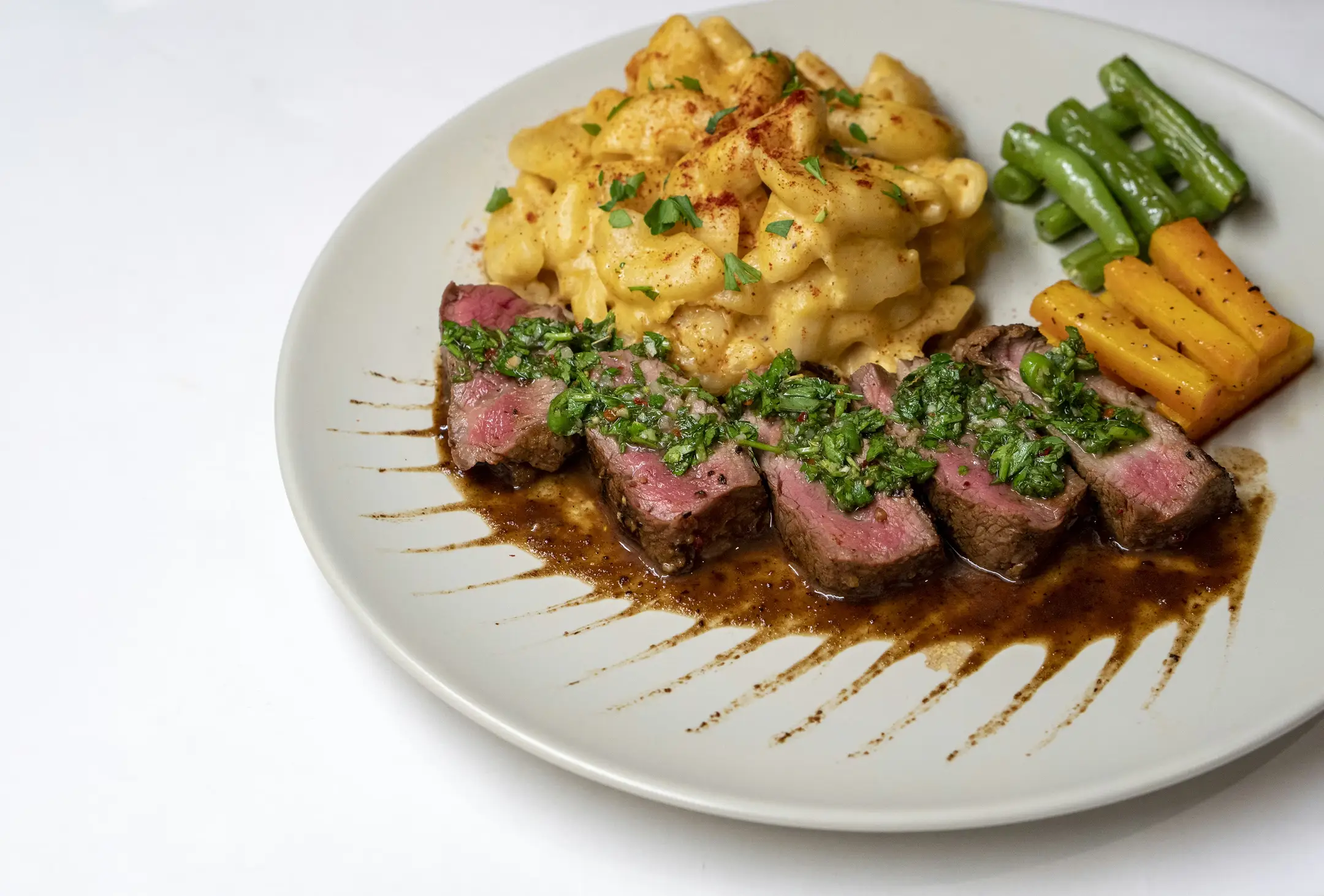
A well chosen game dish gives an autumn dinner a sense of occasion. Placed at the centre of the table, roast grouse or venison loin creates a natural focal point and gives the seasonal sides a clear role around it.
This sets the tone for the cooking that follows, where simple preparation, careful timing and a little attention to detail allow the game to take centre stage.
How to cook grouse
Grouse is best treated simply, with enough heat to colour and crisp the skin while keeping the meat tender. Remove the bird from the fridge shortly before cooking, pat the skin dry and season lightly. Add butter, thyme or a few crushed juniper berries to the cavity, then roast in a hot oven until the skin is golden and the bird is cooked through. Cooking time will vary according to the size and preparation of the bird, so check it carefully towards the end of cooking.
Butter, thyme and juniper work well with its distinctive flavour, while resting the bird briefly before carving helps the juices redistribute for a more tender, succulent result.
Check the grouse towards the end of cooking with a clean probe thermometer, placing it in the thickest part of the leg and avoiding the bone. Food Standards Agency guidance recommends cooking game birds until the centre reaches 70°C for two minutes. If you do not have a thermometer, check that the meat is steaming hot throughout with no pink flesh in the thickest part. For further advice on checking that game is cooked safely, read the Food Standards Agency guidance on cooking food safely.
Rest the bird for five to ten minutes, then use the roasting juices with a little stock for a simple sauce. Blackberry, redcurrant jelly or damson preserve can add brightness without taking focus from the grouse.
Venison at home
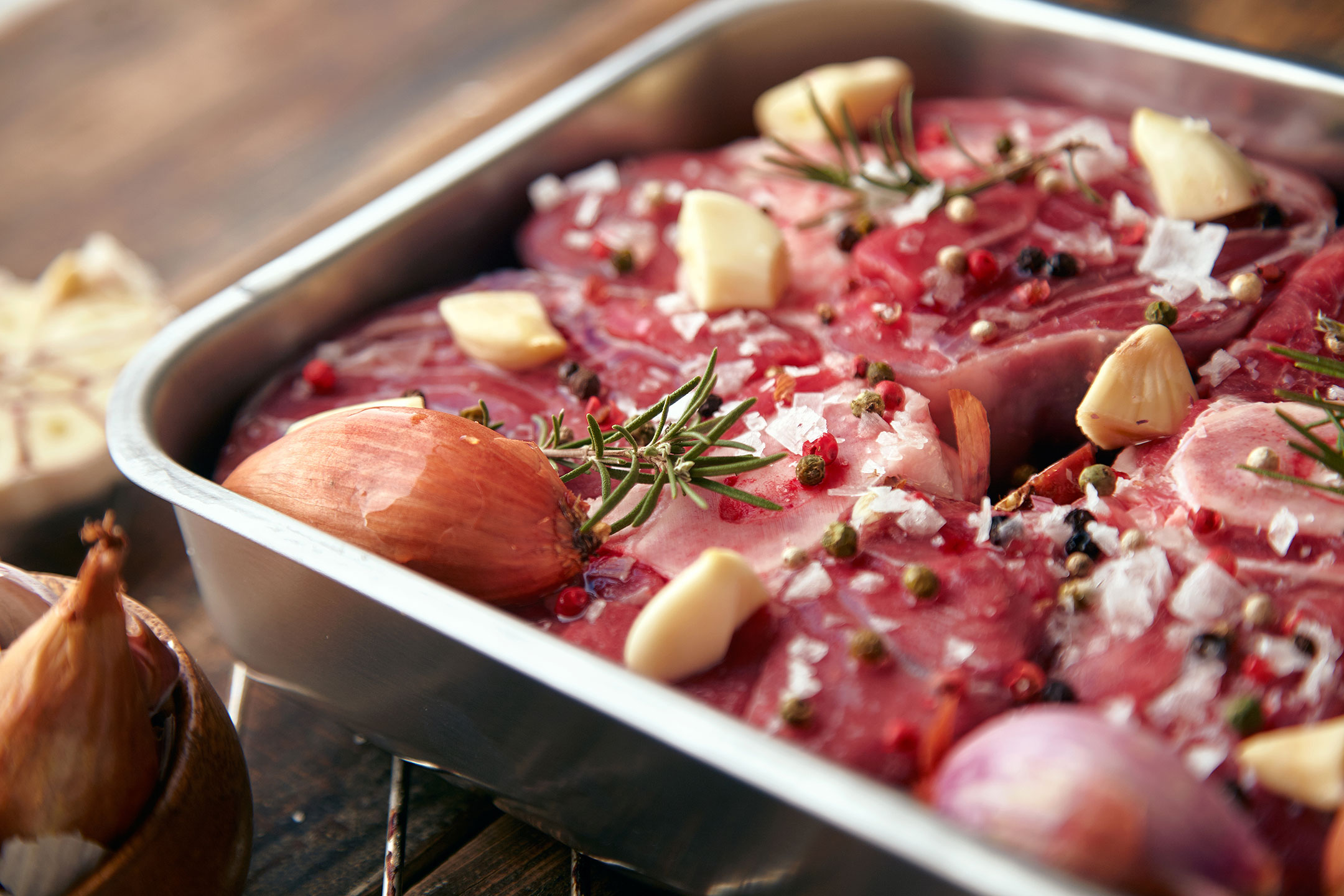
Venison loin is a straightforward centrepiece for a larger table. Sear the meat in a hot pan until deeply coloured, then baste with butter, garlic and rosemary or thyme.
Transfer the loin to a moderate oven if it needs further cooking, then rest it on a warm plate for around ten minutes while you finish the sauce. The best finishing point will depend on the cut, its preparation and your guests’ preferences, so seek guidance from your butcher when buying the meat.
Finish the sauce with stock, wine or the pan juices. Slice the venison just before serving and spoon the sauce around the meat to preserve the crust.
Sides that suit game
The best game menu ideas are rooted in contrast. Game is rich and savoury, so it benefits from vegetables with earthiness, greens with a gentle bitterness and fruit that brings brightness to the plate.
Celeriac
Celeriac is a natural partner for grouse, partridge and venison. It can be made into a smooth purée with butter and cream, or cut into wedges and roasted until golden. Its mild nuttiness supports game without becoming too heavy.
Blackberries
Blackberries work particularly well with venison. Their tart sweetness cuts through the meat and can be used in a sauce with a little stock and red wine vinegar. Redcurrants, damsons and plums offer a similarly bright contrast.
Cavolo nero and crisp potatoes
Cavolo nero adds colour and a savoury bitterness. Blanch the leaves briefly, then warm them with butter and a little garlic. Serve with crisp roasted potatoes, thinly sliced fried potatoes or a small gratin if you would like a more substantial supper.
Building a balanced plate
A balanced plate can be built around four simple elements:
- A game bird or venison cut as the centrepiece
- A soft, earthy accompaniment such as celeriac or squash
- A green vegetable such as cavolo nero or savoy cabbage
- A sharp fruit sauce or garnish to bring freshness
Seasonal menus can be shaped around the ingredients available at the time. For further inspiration on cooking with autumn produce, explore Harper Privé’s autumn menus.
Where a vegetable led option is needed for the table, our autumn vegetarian menus offer seasonal ideas that sit comfortably alongside a game main course.
A chef’s touch
Restaurant standard game begins with sourcing. Ask your butcher what is in season, how long the game has been hung and whether it has been fully prepared for cooking. This will help you choose a bird or cut that matches the dish you have in mind.
Seasoning should be measured. Game often has more depth than poultry, so too much salt, spice or heavy sauce can obscure its flavour. Use butter, fresh herbs, good stock and one well chosen fruit element to bring the dish together.
Plating also makes a difference. Begin with the game, add one generous spoonful of purée or vegetables and place the remaining elements with space around them. Keep crisp components away from the sauce where possible, so the textures remain clear until the plate reaches the table.
The overall experience should still feel relaxed. Warm plates, a simple table setting and serving dishes placed within reach will help the meal feel generous without making it formal. For further hosting guidance beyond the menu itself, read our related guide to hosting a Michelin level autumn dinner at home.
Bringing the season to the table
Game season is an opportunity to cook with care and enjoy the ingredients that define early autumn and winter. Whether you choose roast grouse, braised pheasant or venison served with celeriac and seasonal greens, the strongest dishes are usually those that allow the season to lead.
If you would rather host without cooking, a game season private chef can create a considered menu around the ingredients looking their best.
Enquire about your occasion to begin planning with Harper Privé.
Frequently Asked Questions
- Where can I buy game for a dinner at home?
A good butcher can advise on what is currently in season and prepare the bird or cut for the cooking method you have in mind. Ask about the origin of the game, how it has been prepared and the best way to store it before cooking.
- How far in advance should I plan a game dinner?
Plan the menu a few days ahead so you have time to source the game and seasonal accompaniments. For a larger dinner, speak with your butcher early as availability may vary through the season.
- What can I prepare in advance for a game dinner?
Make sauces, purées and fruit accompaniments earlier in the day, then reheat them gently before serving. Prepare vegetables in advance where possible, leaving the game itself until last so it can be cooked, rested and served at its best.
- What should I drink with grouse or venison?
Grouse and venison suit drinks with freshness and enough structure to balance their savoury flavour. A medium to full bodied red wine can work well, while a rosemary and apple cordial offers a considered non alcoholic alternative.
- How should I store game before cooking?
Keep game chilled in the refrigerator and follow your butcher’s advice on when it should be cooked. Remove it shortly before cooking so it is not overly cold when it reaches the pan or oven, then cook and serve it without unnecessary delay.